
How Invisalign Works & What to Expect

How Invisalign Works: What to Expect During Treatment
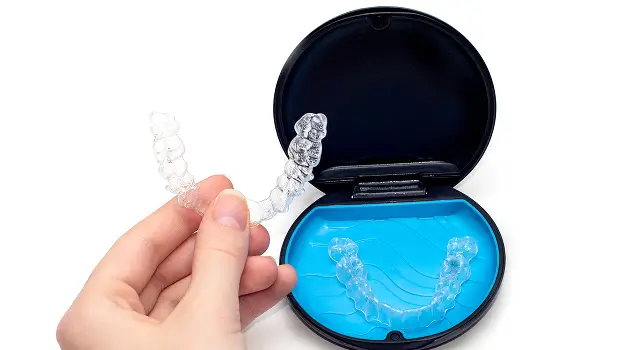
Invisalign® uses a series of custom-made, clear aligners to gradually move your teeth into their planned positions. Unlike traditional braces, the aligners are removable and designed to fit discreetly over your teeth. Understanding how Invisalign treatment works can help you know what to expect at each stage, from your initial consultation through retention.
How Does Invisalign Work?
Invisalign® uses a series of customized clear aligners to gently move your teeth into their planned positions. Your dentist evaluates your teeth, bite, and oral health before creating a personalized treatment plan using digital scans. As you progress through each set of aligners, your teeth gradually shift toward a straighter, more balanced smile.
The Invisalign Treatment Process
Consultation & Digital Scan
Your Invisalign® journey starts with a thorough dental evaluation to assess your teeth, gums, bite, and overall oral health. A digital scan captures detailed images of your teeth without traditional impressions, helping your dentist create a personalized treatment plan.
Custom Treatment Planning
Your scan data is used to create a personalized treatment plan that maps out your teeth’s expected movement. Depending on your case, you may also preview your projected results digitally. Your dentist will review your goals, timeline, and what to expect throughout treatment.
Fabrication of Your Custom Aligners
Once your treatment plan is finalized, a series of custom aligners is created for your teeth.
Each aligner is designed to make specific, gradual adjustments. You will progress through the series according to your dentist’s instructions, typically changing to a new set approximately every one to two weeks.
Wearing Your Aligners
For effective Invisalign® treatment, wear your aligners for about 20–22 hours each day. Remove them for eating, drinking anything besides water, brushing, and flossing, then put them back in afterward. Following your dentist’s wear and change instructions helps keep treatment on track.
Progress Monitoring
Regular follow-up visits, typically every 6–8 weeks, allow your dentist to monitor your progress and ensure your aligners fit properly. Your dentist will check tooth movement, bite changes, and overall oral health throughout treatment.
Retainers & Maintenance
After your final aligner, retainers help keep your teeth in their new positions. Since teeth can naturally shift over time, your dentist will recommend a personalized retention plan. Wearing your retainers as directed helps maintain your results.
How Long Does Invisalign Treatment Take?
Treatment time varies from patient to patient. The length of treatment depends on factors such as the complexity of your case, the amount of tooth movement required, your treatment goals, and how consistently you wear your aligners.
During your consultation, your dentist can provide a more personalized estimate based on your teeth and treatment plan.